-
When religious values help fight a virus
(5 minute read) Hajra Rehman explains the core principles of Islam which have helped keep the pandemic under control in Muslim nations.
-
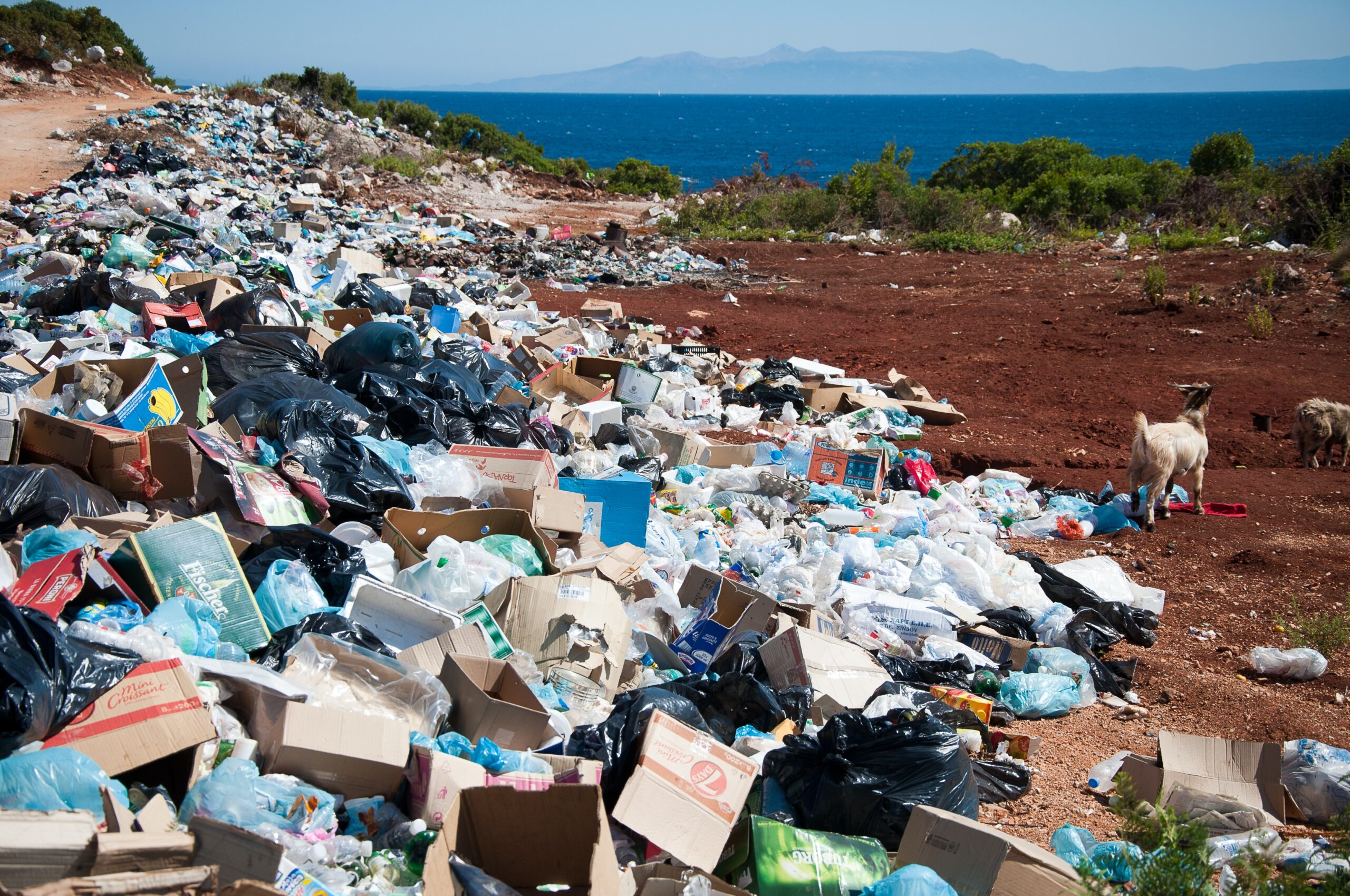
Rebuilding society after the pandemic must not mean trashing the planet
(6 minute read) Margareth Sembiring reveals the risks involved in ignoring the environment in a post-COVID society.
-
When the thirst for power disguises itself as a thirst for God
(6 minute read) The influence of religious conservatism on Indonesian society is leading to harsh Islamist policies which suppress the freedoms of religious minorities, argues Alexander Arifianto.
-
Crackdown in China: it’s time to end the silence on human rights atrocities
(11 minute read) While the world looks away, atrocities committed by the Chinese Government grow ever-more serious. Benedict Rogers asks readers to confront the horrifying reality of life in modern day China for ethnic and religious minorities.
-
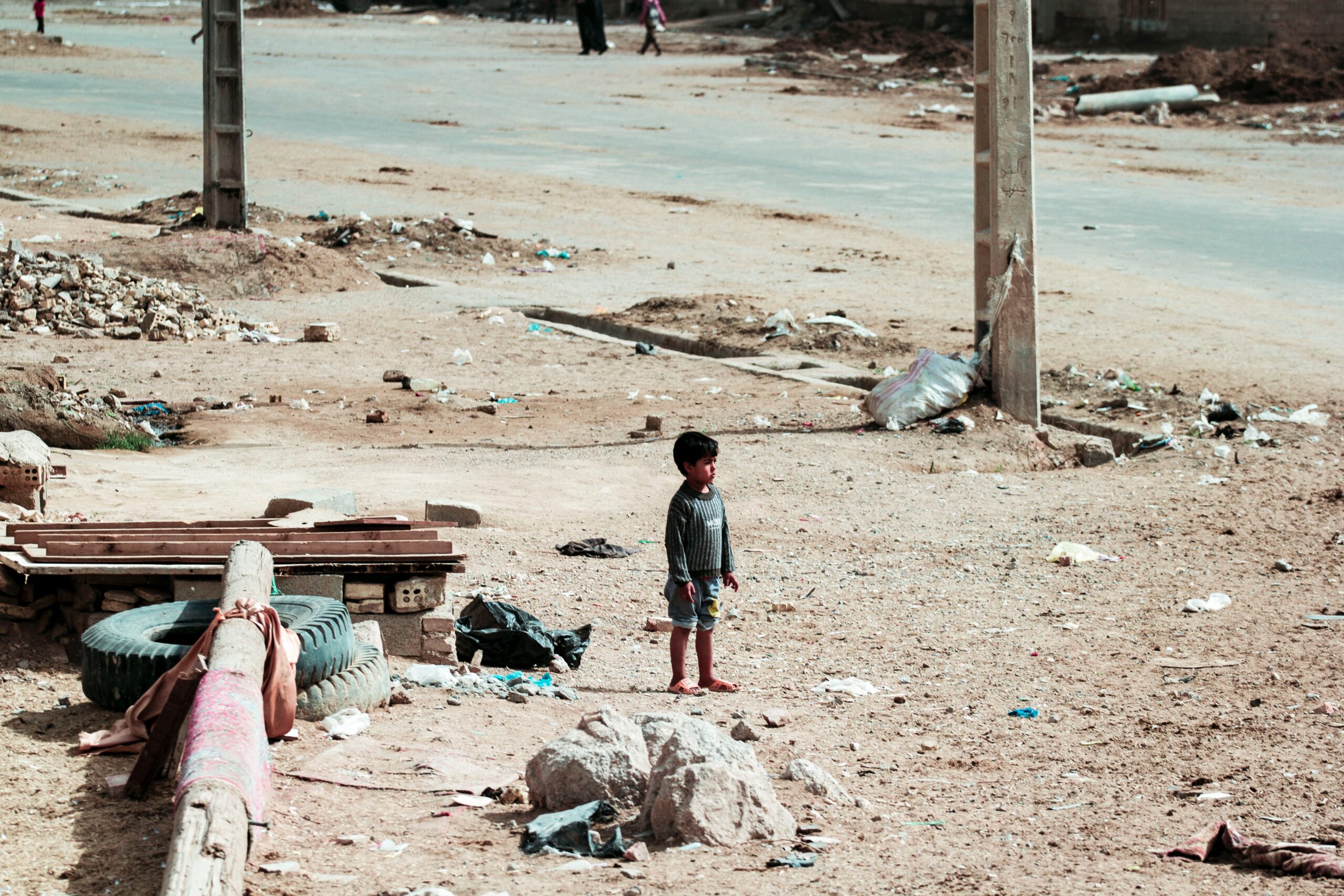
The underbelly of undernutrition: notes from the field
(6 minute read) Prakarsh Singh describes his fieldwork in an urban slum for his research into malnutrition in his native India and reports an alarming lack of progress in the battle against hunger and disease.
-
#GiveWork, not aid, to the poor: the remarkable legacy of Leila Janah (1982-2020)
(The slow read) Tulika Bahadur describes the brief but extraordinary life of a woman who insisted that the poor should be empowered, not given donations.
-
“Anthropause”: can lockdown teach us to form a new relationship with creation?
(6 minute read) We can and must learn from these months of forced pause to live with and not against nature, argues Richard Bauckham.
-
Lifestyle choices that can be life or death decisions
(6 minute read) Francesca Omon looks at the ethical conundrums in our attempts to plan for the future in a world of finite resources.
-
Hunger: a forgotten first world problem
(5 minute read) Zoë Dukoff-Gordon exposes the hidden scandal of hunger in the world’s wealthiest countries.
-
Walls, walls everywhere …
(5 minute read) Ronnie Convery highlights the dangers of public policies which foment populism and favour division, even in the midst of a pandemic.