-
A different Christmas: reflections from the Holy Land
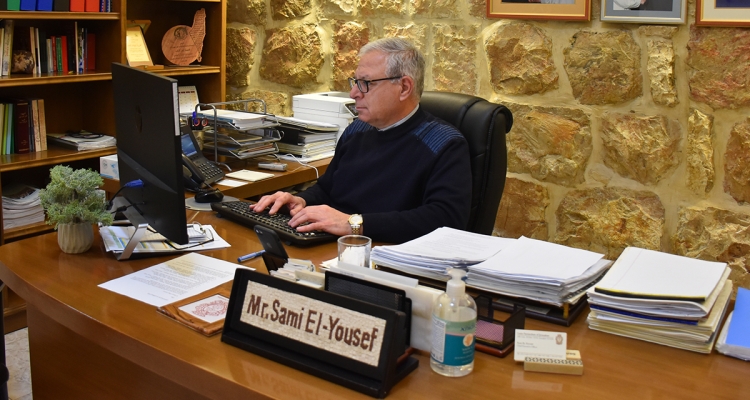
(5 minutes) While Palestinians, be they Muslims or Christians, feel short-changed by the recent Israeli-Hamas ceasefire, there are still signs of hope, says Sami El-Yousef.
-
With Christ in Bethlehem through a blizzard, a motel room and a dog
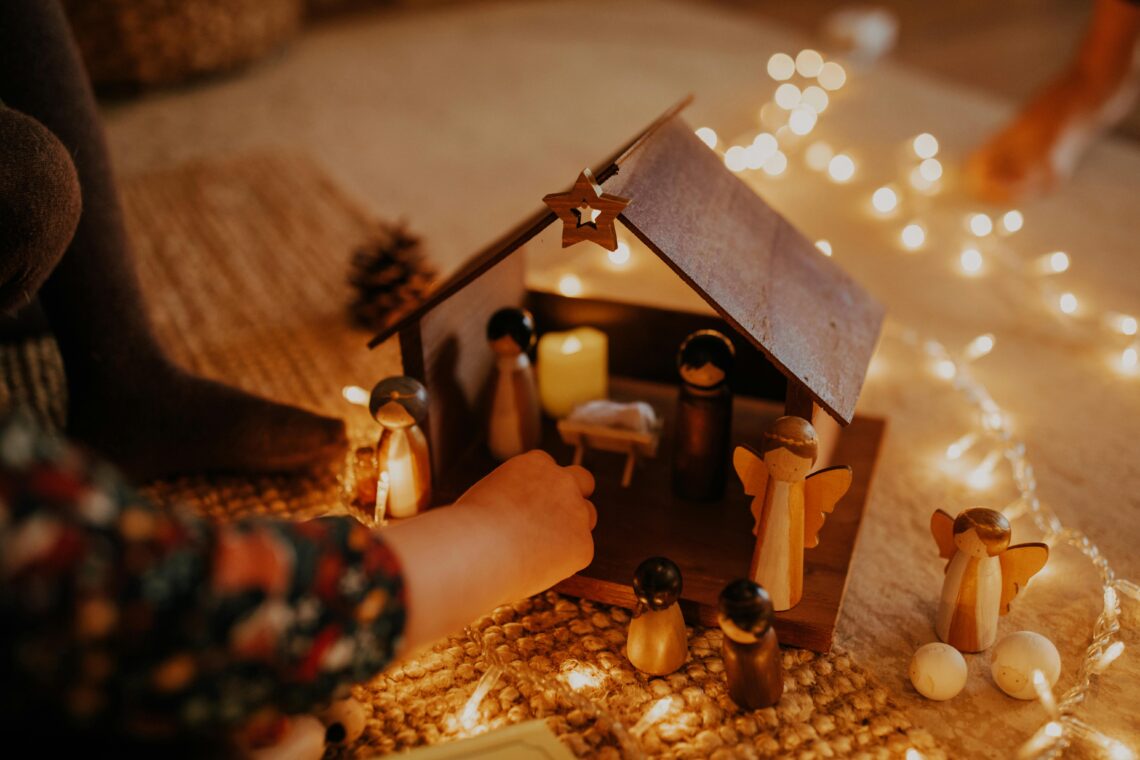
(7 minutes) Monica Sharp describes how, as a child, she and her family once had a little share in the nativity journey of the Holy Family.
-
The politics of purity
(4 minutes) The decision to live chastely has significant social repercussions, argues Joseph Evans.
-
The art of living together
(4 minutes) Four important lessons from philosopher Jaime Nubiola on social cohesion and integrity in public life.
-
The people who still love nature
(4 minutes) We are misunderstanding climate sceptics, says Liam Stokes. They’ve not lost their sacral sense of creation; they’ve lost their hope.
-
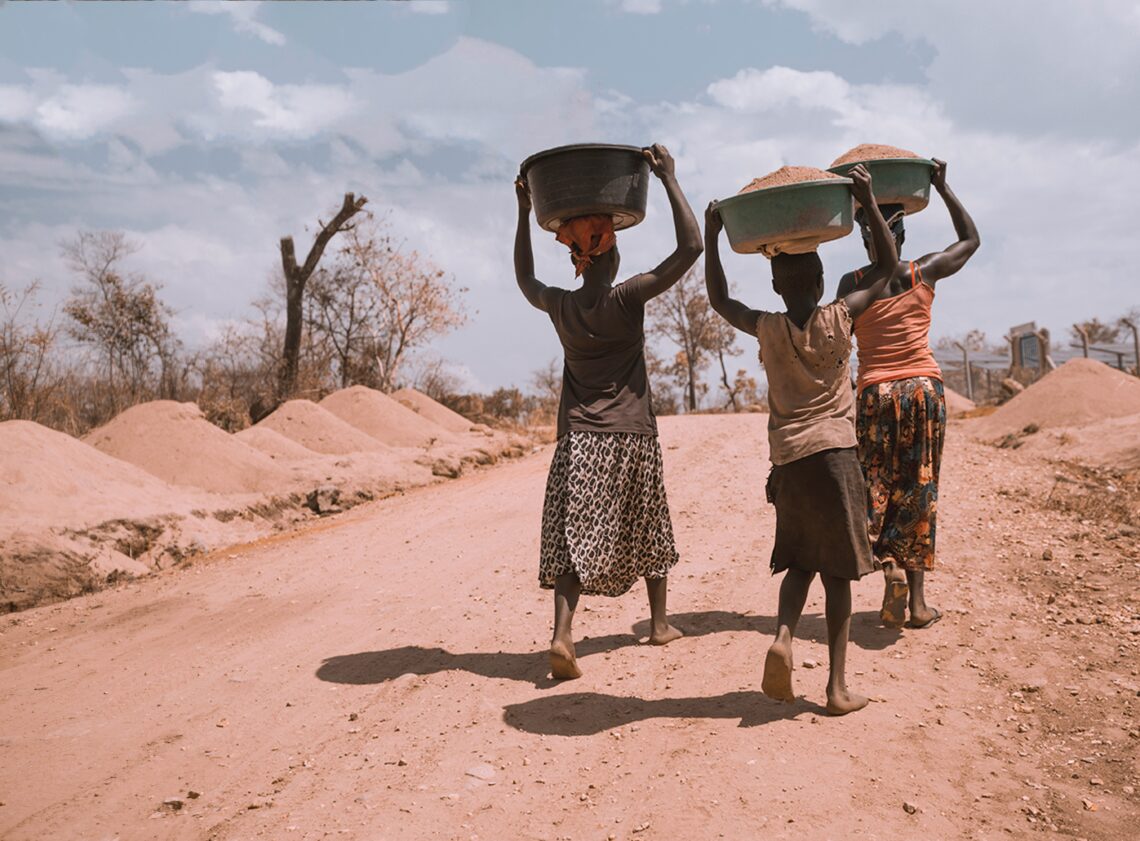
The feminisation of pain in Africa
(5 minutes) Ana María Gutiérrez is a doctor, nun and theologian. After several decades working in Africa, in this article she shares her experience accompanying women who live with pain and suffering.
-
A secure base: the role of relationships in our lives
(8 minutes) Isaac Withers offers a 101 explanation of the ideas of the great Attachment Theory guru John Bowlby.
-
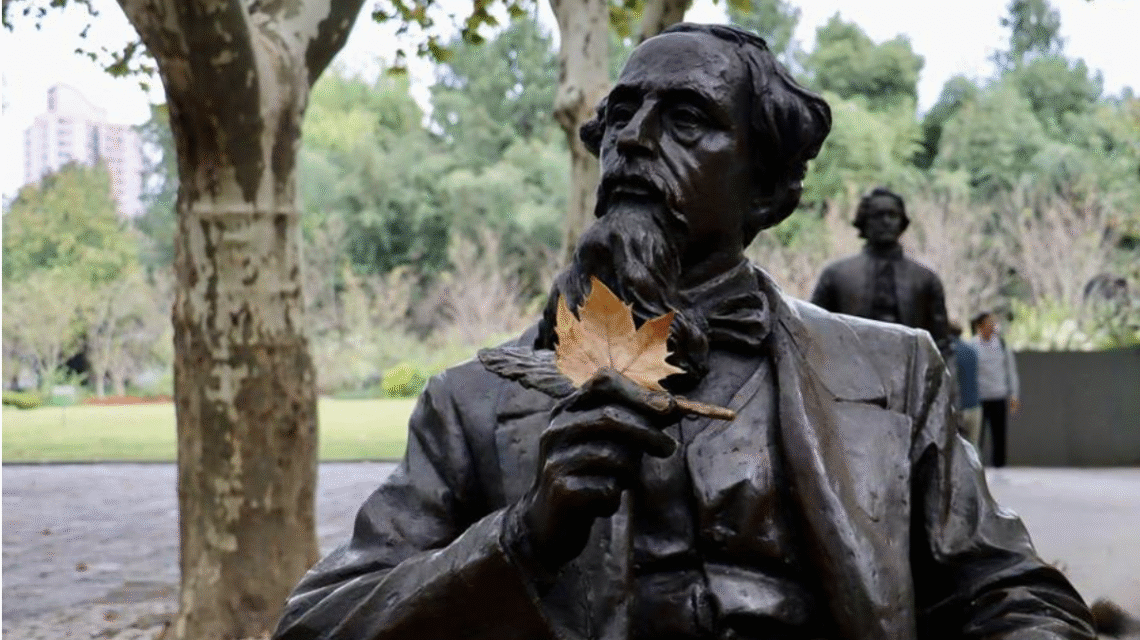
Charles, can we come to an arrangement?
(8 minutes) As she dutifully wades through Dickens’ Bleak House, Monica Sharp recalls adolescent traumas provoked by reading the famous English author. Can this great writer but flawed man be liked, or must he only be admired?
-
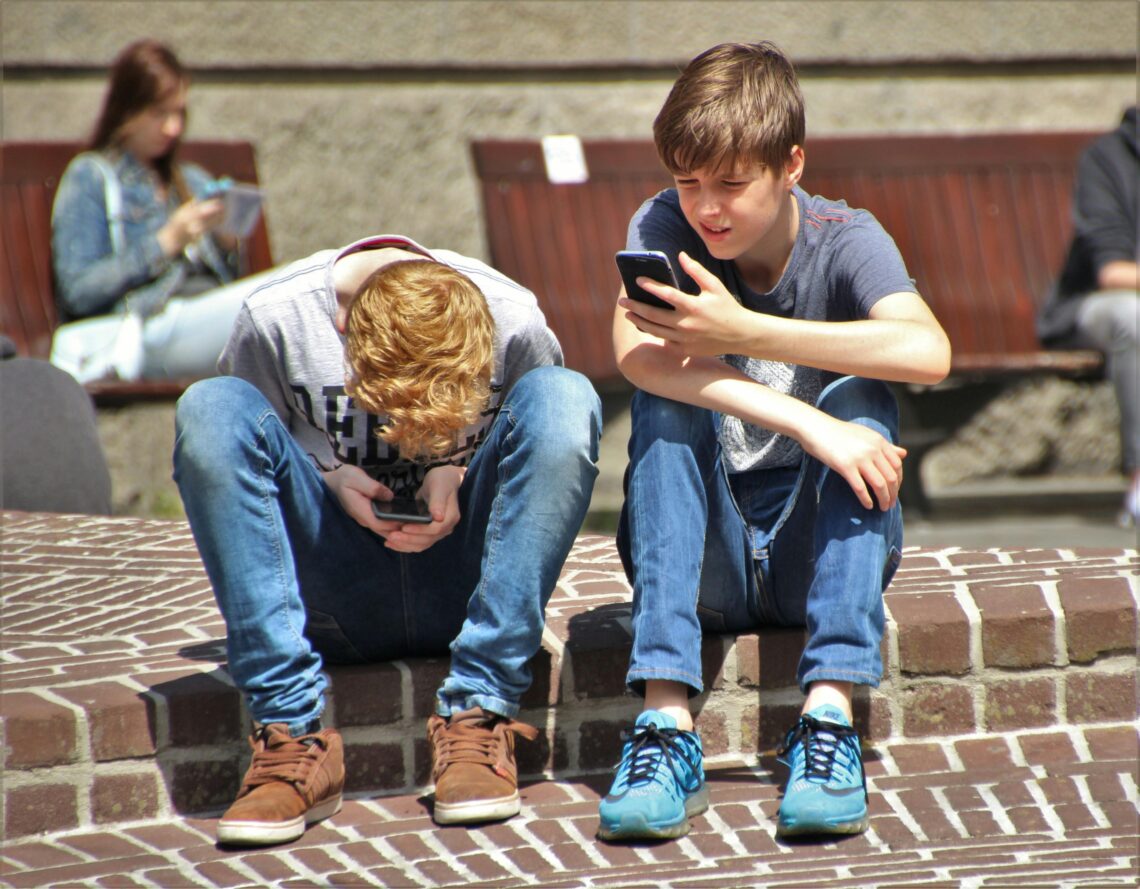
Return to reading — or why screens are threatening liberal democracy
(4 minutes) Our dependence on screens and AI could lead to the demise of writing and with it of thought, argues Michael Kirke.
-
The priest of Black Sabbath: why heavy metal and Christianity might just be compatible
(15 minutes) Fr Oskari Juurikkala is a Finnish Catholic priest who is crazy about heavy metal and hard rock. He told Adamah Media why.