
Stuck Culture: why so many modern films fail to inspire
The rejection of transcendent values is leading to an ever more hollow film industry, argues Joe Gillespie.
Modern film-makers derive pleasure from antagonizing their audiences.
Every hero must be deconstructed. Every tradition mocked. Every father figure revealed as a fraud (or, better yet, a giant fat white slob).
American entertainment culture is stuck. Originality is dead. Nobody wants to take a risk in their storytelling.
At best, we get one to two CGI slopfest renditions of classic works per year, carried entirely by the weight of impressive visuals and cinematic grandeur (Dune is a fitting example); one to two breakthrough ‘masterpieces’ every five (but was Oppenheimer really that good?)
Film is the storytelling medium of the current age and it will remain so until virtual reality technology with haptic environments and full immersion become the new norm. And in this brief period of filmmaking history we have to look back at, we have already reached our peak.
This can change, of course. But only when filmmakers, writers, and the studio executives who greenlight garbage understand what films are built from. They are, like all good stories, reflections of reality – magnified, condensed, extrapolated into unseen points of view, and purposefully structured to tell us something. The last point being the most crucial.
When you watch a film, you’re watching a type of visual philosophy. Characters, scenes, visuals, and story arcs serve as individual pieces of a whole. Stories are a reminder of who we are and where we’re going, and they need to be taken seriously for this reason.
As the dominant storytelling medium of the 21st century, what our films say (or don’t say) speaks to what we have (or don’t have) as a culture.
In 2025, 61 of the high budget films released were either remakes, sequels, or spin-offs of old franchises. Another Jurassic Park movie, why? Live action Snow White and Lilo & Stitch remakes, why? A Basic Instinct remake, why? Because modern Hollywood lacks the two qualities which ignited its rise 80 years ago.
Ethos
Every great story emerges from a moral conception. The writer must believe in something: good, evil, honor, love, sacrifice, redemption. And not just believe, but understand why these things matter; they must have a reason to articulate its meaning.
Shakespeare believed in the tragic nobility of flawed kings. Tolkien believed in the power of simple courage against overwhelming darkness. Even the cynical noir writers of the ’40s believed in the existence of corruption that was worth exposing.
Modern Hollywood operates from an anti-ethos that has destroyed its capacity for genuine storytelling.
The screenwriter has been educated to believe that moral certainty is naive, that traditional values are oppressive, and that the highest virtue is not offending anyone but, rather, fighting relentlessly for those who see offense, bigotry and an ‘unfair system’ around every corner. This produces stories that aim at nothing and hit their target perfectly.
Never before in human history has a culture gone through such a drastic moral and philosophical shift. Consider the difference between the original Star Wars trilogy and the Disney sequels.
Lucas, for all his flaws, believed in the archetypal struggle between good and evil. The story was simple. He understood that Luke Skywalker’s journey mattered because it represented something eternal about human potential. That we have the capacity to choose light over darkness, hope over despair, good against evil.
The Disney films, crafted by committees of executives and focus groups, believe in nothing except the perpetuation of brand recognition. They gesture at themes – legacy, sacrifice, redemption – without any genuine conviction about what those concepts mean.
The Disney films took Luke Skywalker – a beacon of optimism who redeemed the most feared man in the galaxy through love and faith – and turned him into a bitter hermit who considers murdering his nephew in his sleep.
The Luke Skywalker of The Last Jedi is a man who has given up on everything he once believed in. The Jedi are failures. The Force doesn’t matter. Having hope in anything is retarded. He tosses his father’s lightsaber over his shoulder like garbage.
This is why modern films feel hollow despite their technical sophistication. The machinery of storytelling has been perfected while the soul has been extracted and hollowed out. Writers who have been taught that all narratives are equally valid, that objective truth doesn’t exist, that moral frameworks are social constructs, cannot create stories that resonate with the deepest parts of human experience.
They can craft clever dialogue and construct plot mechanics, but they cannot breathe real life into their creations.
They mistake cynicism for sophistication and irony for wisdom. Believable dialogue gets reduced to snarky quips and sarcasm. Plots prioritize subverting expectations over satisfying them.
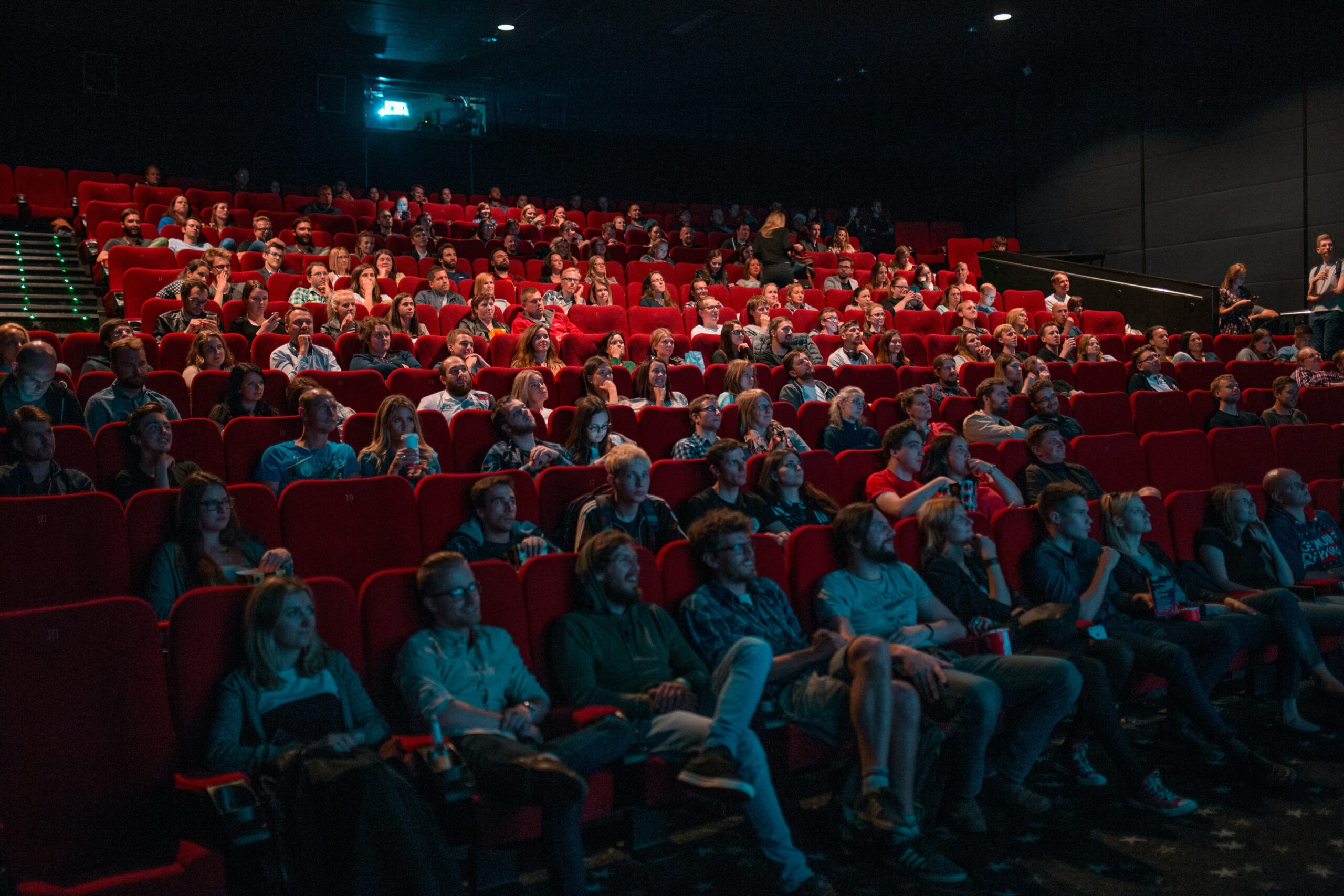
Top Gun: Maverick, an outlier in modern filmmaking, succeeded not because it was a safe sequel, but because it committed fully to themes of honor, mentorship, and sacrifice that most modern films are too embarrassed to embrace. It was a simple story, but then again, all good stories are.
Part of the film-makers job is to remind us what a good story is, not play to our base desires.
The vast majority of us aren’t storytellers but we know a good story when we see or hear one. It isn’t that audiences have changed, it’s that the entertainment industry (across all domains) have dumbed down the product to the point that we often forget how good it could be.
The Lord of the Rings, The Godfather: these are films that live forever, simply because they’ve merged all components of dramatized life into a symphony that attaches itself to our subconscious.
Delusion
After singer-songwriter Jeff Buckley’s breakthrough album Grace, he gave an interview saying that he wished he could go back to being an anonymous busker and cafe musician in New York City. The expectations of continued success gnawed away at his soul and the weight of expectations pulled his mind into shadow.
Buckley was a true artist in this sense, a committed creative who sought to detach popular success from the act of turning ideas into songs.
Not all artists are like this. As the business megalith of any creative industry grows, creative genius is often sidelined for those who are agreeable to the needs of marketing, political, and creative ‘normalcy’.
JJ Abrams, for example, is a megastar in the filmmaking world, but are his films a reflection of his true genius or the profit motivated needs of studio executives? I would say the latter.
It isn’t that Armageddon or Forever Young are terrible films (compared to what is being released today, I’d even say the campy drama is kind of refreshing) but as a launchpad for the most coveted career in entertainment, it doesn’t square up. He gets the moment, he gets the tech, he gets the marketing, but he’s no George Lucas. Abrams, like dozens of other filmmakers, lacks vision. And the reason is simple.
When someone dedicates their entire life to a niche field of study, the field itself tends to atrophy and harden itself against any ideas seen as ‘outside’ the norm. They are typically forced – by audience capture and industry expectations – to specialize and niche down.
This is something that modern filmmakers don’t understand. They carry the most cultural power. And with that power comes a great risk of delusion and myopia. The assumption that the audience does not know what you know turns films into experiments in impressing other filmmakers and critics.
“Put a chick in it and make her gay and extremely powerful” was, at one time, a new thing. Critics saw it as groundbreaking and subversive, while audiences, even then, saw it as unrealistic and antithetical to the real power which women possess and which distinguishes them from men.
An architect can ‘break ground’ and erect a never before seen phallus-shaped apartment building, but that doesn’t mean that it’s worth building in the first place.
The primary axiom of ‘stuck culture’ is that modern filmmakers can’t accept that some things are worth more than others. Their worldview doesn’t permit an implied hierarchy. So they make films about heroes who aren’t heroic, journeys that lead nowhere, sacrifices that accomplish nothing. They lean on a category of ‘realism’, forgetting that stories are meant to show a transcendent ideal rather than the mundane.
This machine doesn’t want you to see possibilities. It wants you to see problems. This is why the films feel hollow. They’re made by people who believe human nature is fundamentally flawed, heroism impossible, meaning arbitrary.
They’re not trying to inspire you, they’re actively inoculating you against inspiration.
But you don’t have to consume what they produce. You don’t have to let them tell you that your deepest aspirations are naive, that your highest values are problematic, or your search for meaning misguided.
Don’t feed the machine. Find stories that make you larger. Rewatch the classics. Read books. Make your own art. The machine is powerful, but not inevitable. It depends on your participation, attention, money. Withdraw and it starves.
This is an abridged and slightly edited version of an article written by Joe Gillespie on his Write and Lift Substack. It is re-published in Adamah Media with his permission. Click here for more articles by Joe.

Joe Gillespie
Joe Gillespie is a father, husband, Orthodox Christian, and writer based in the Mountains of California. You can find more of his writing on Write & Lift (@writeandlift) Instagram profile or on substack.com/writeandlift

